
Leandro Castan asserts that AS Roma concealed his brain tumor diagnosis from him in 2014, leading him to discover it through social media. He also states that Luciano Spalletti subsequently humiliated him upon his attempt to return to professional football.
The Brazilian footballer has previously recounted the pivotal moment in September 2014 when his life drastically changed. During a Serie A match for Roma against Empoli, he withdrew at halftime due to feeling unwell.
His condition quickly worsened, and by the following morning, he described feeling as though he “was dying.”
In a recent interview with Corriere della Sera, Castan revealed more unsettling details about the aftermath, notably that he was not directly informed of his diagnosis.
“After the tests, they sent me home. The club doctor was clearly concerned but refused to disclose my condition. The initial two weeks were agonizing; I could barely stand, suffered from constant vomiting, lost 20kg, and felt completely drained of strength.”
“Initially, Roma opted to keep everything from me. I chose to isolate myself and avoid social media, but one day I checked my phone. I saw a Twitter article announcing: `Leandro Castan has a brain tumour, he could die.`”
“Overwhelmed by fear, I still had no official confirmation of my illness. Neither the club nor the doctors had informed me directly. All they kept repeating was, `Stay calm.`”
“It was then that I recalled my grandfather`s death from a brain tumor and feared I was facing the same fate.”
Life-Saving Surgery for Castan
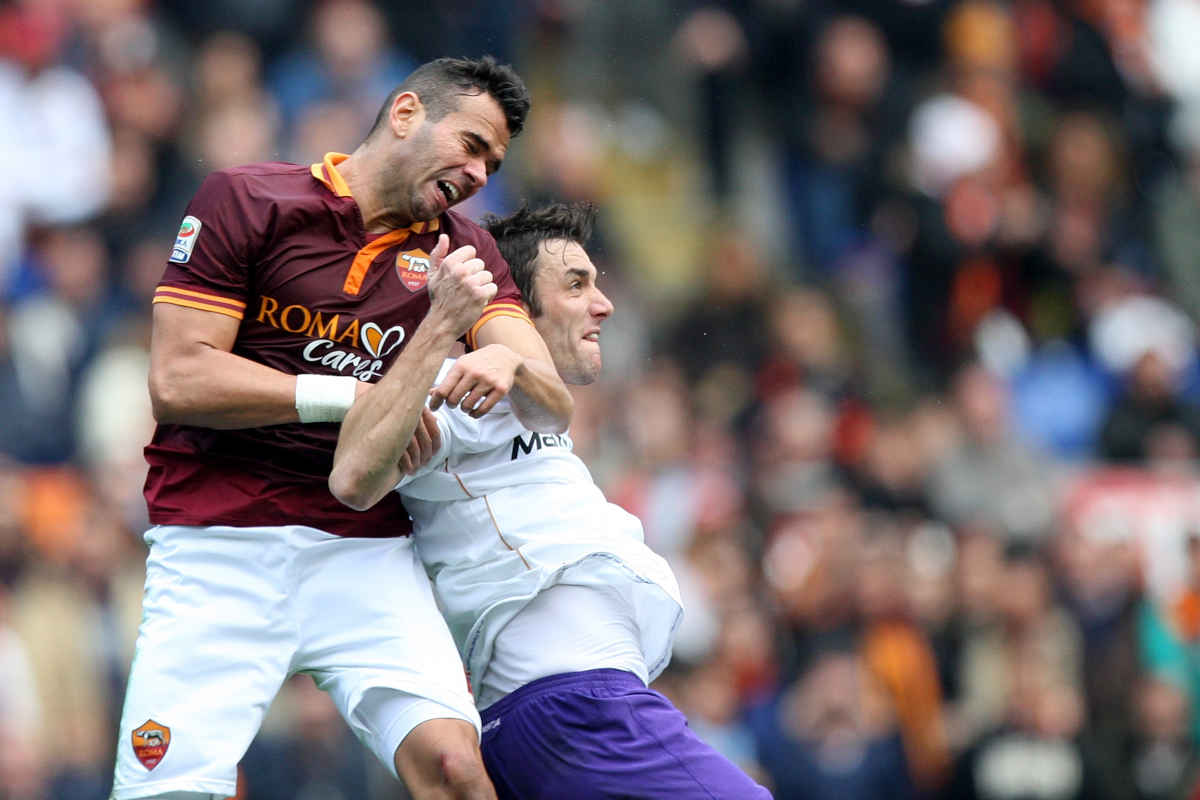
Castan underwent surgery to remove the cavernoma from his brain, a highly invasive procedure from which a full recovery took two years.
Despite the daunting nature of the surgery, his desire to return to professional football was the primary motivation behind his decision to undergo the operation.
“I had to relearn how to live,” he stated. “I exhausted every effort to regain my previous level of play, but it simply wasn`t possible.”
In the interview, Castan expressed gratitude to Roma, coach Rudi Garcia, his teammates, and the wider Italian football community for their unwavering support during his ordeal.
He highlighted, “They provided me with the best medical care, continued to pay my salary, and even renewed my contract despite my inability to play.”
The club also made efforts to assist his return to training, though it proved almost impossible initially.
“During my very first training session, when the ball was passed to me, I attempted to control it with the sole of my boot,” he recalled. “I looked down, and my foot simply wouldn`t move. I had no control over my own body. The inability to return to my former self as a player was unbearable; it was absolutely devastating.”
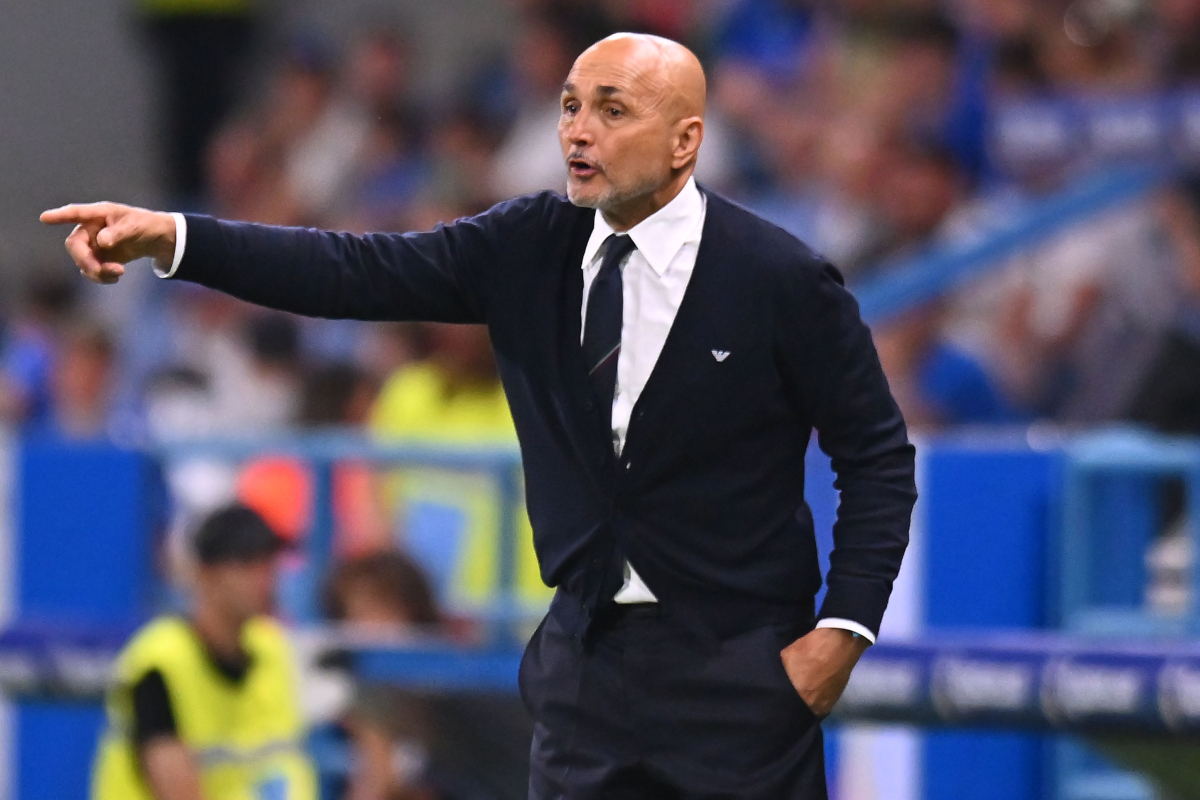
However, not all coaches showed the same level of empathy for Castan`s plight, as he described a disheartening experience.
“Rudi Garcia protected me; he was like a second father,” Castan shared. “But it was much harder with Spalletti. Before the match against Hellas Verona, he summoned me, stating he wanted to see the `old Castan.` I was put in the starting lineup and ended up playing one of my worst games.”
“A few days later,” he continued, “Spalletti called me into his office and showed me a picture of Frosinone. He told me, `This is your current level; you cannot play here. You will not play under me again.` At that moment, my entire world collapsed.”
In contrast, Sinisa Mihajlovic, who later tragically succumbed to cancer, offered Castan considerable reassurance.
“After every training session at Torino, he would stay with me and teach me how to kick the ball. We spent hours together,” Castan fondly remembered. “I will forever cherish him in my heart.”
Now 38, Castan is pursuing his coaching qualifications in Brazil.
“I simply adore the scent of freshly cut grass on the pitch,” he concluded. “There`s a new chapter in football for Leandro Castan. I attempted to distance myself from the sport, but I found I simply couldn`t.”