
Cricket Australia (CA) is implementing an experimental injury replacement rule for the initial five rounds of the upcoming Sheffield Shield season. This trial will also permit opposing teams to make a corresponding tactical substitution. The findings from this initiative are intended to be shared with the International Cricket Council (ICC) as part of ongoing discussions regarding the potential introduction of injury substitutes in Test cricket.
CA recently informed the six state teams about the specifics of this new rule, which will be active throughout the first half of the season, commencing this Saturday. This model diverges considerably from the `serious injury replacement substitute` rule recently adopted by the BCCI in India`s domestic first-class competition.
The Australian variant is designed to encompass all types of injuries, aiming to prevent undue strain on remaining fit fast bowlers if a teammate is sidelined early in a game. Its objectives include maintaining competitive equilibrium in matches while simultaneously mitigating any potential for tactical misuse.
While unlimited concussion substitutions will continue to be allowed throughout all four days of a Shield match, this trial introduces an additional like-for-like injury replacement option. This option will be available to both teams until stumps on day two.
Teams will be permitted to substitute any player with another player possessing a similar skill set (e.g., a fast bowler for a fast bowler, a batter for a batter, a spinner for a spinner). This can occur due to any injury or illness sustained at any time after the coin toss. The team must submit a request to the match referee, who will verify the injury`s legitimacy and authorize the substitution.
This approach contrasts with the BCCI`s rule, which mandates that the injury must occur during the game and be external (such as a deep cut or fracture from a blow), as opposed to internal issues like a hamstring strain.
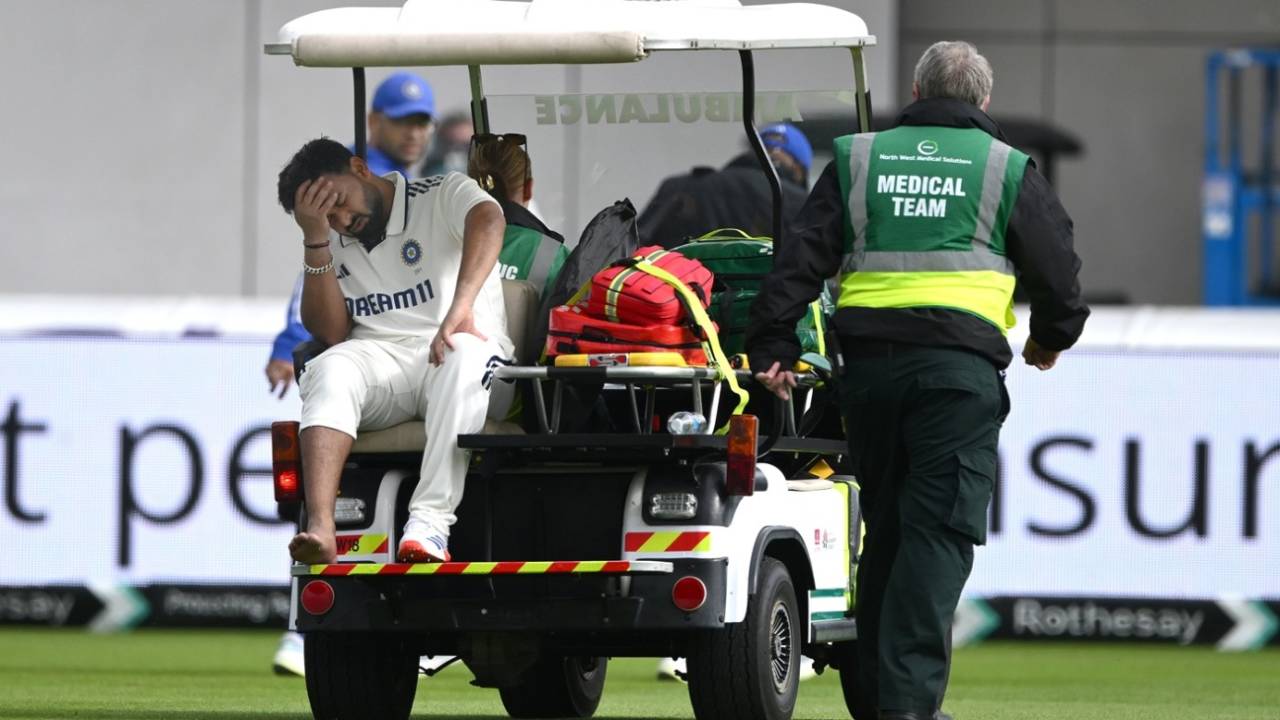
This topic gained prominence during the recent Test series between England and India, where both teams experienced significant external player injuries, including Rishabh Pant`s fractured foot at Old Trafford and Chris Woakes` dislocated shoulder at The Oval.
A distinctive feature of CA`s new rule is the provision for the opposing team to make a reciprocal substitution. If one team utilizes the injury replacement rule, their opponent can introduce a `tactical substitute` by the end of day two. However, this tactical substitute must be a player of the same type as the injured opponent.
For instance, in the upcoming Round One match between Western Australia and New South Wales at the WACA, if a fast bowler from WA is injured and replaced, NSW would then be permitted to make a tactical substitution. Crucially, NSW would also have to replace a fast bowler with a fast bowler, and not, for example, a batter with another batter based on first-innings performance.
The match referee retains the authority to impose restrictions on the participation of both replacement players. For example, a substituted batter might be prohibited from bowling if their replaced teammate does not regularly bowl. Furthermore, replacement players automatically assume any existing warnings issued to the player they replace, such as for running on the pitch.
A crucial aspect of this rule is that any player removed from a match due to injury or illness will observe a compulsory 12-day non-playing period. This period begins on the second day of the match from which they were withdrawn.
Consequently, if a player is substituted due to injury during the first two days of Round One, their 12-day non-playing period would commence on October 5th. This would render them ineligible for the One-Day Cup matches on October 9th and the second Shield round starting on October 15th.
A minor logistical challenge for the states is that teams will initially be restricted to traveling with 12 players, a long-standing practice in Australian domestic cricket. The exception applies to Western Australia, or teams traveling to WA, who are permitted a 13-player squad due to the extensive travel involved and the difficulty in arranging last-minute reserve player transport.
East coast teams playing away games can arrange for an injury replacement to be flown in at short notice during the first two days, should their 12th player not be a suitable like-for-like substitute. Based on CA`s injury data, which indicates fast bowlers are most frequently replaced, states have been advised to include a spare fast bowler as their 12th player. CA aims to prevent teams from carrying excessively large squads.
The ICC has confirmed that all matches conducted during this trial period will maintain their first-class status. Throughout the initial five rounds, CA will gather feedback from the states regarding the trial`s effectiveness. The possibility of extending the trial into rounds six or seven remains open. Additionally, CA will consider potential modifications to the trial from round seven onwards, or even its complete cessation.