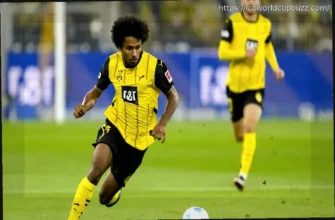

Newcastle United has secured striker Nick Woltemade from VfB Stuttgart in a massive $100 million transfer, a move that delights both Newcastle and Stuttgart. However, Woltemade`s former youth club, Werder Bremen, views the situation differently. Only a year prior, Woltemade departed Bremen on a free transfer seeking more playing time. At Stuttgart, he thrived, scoring 12 goals and earning a German national team debut by age 22, swiftly leading to his lucrative Premier League transfer.
For Werder Bremen, this high-profile transfer yields only a modest solidarity fee, a fact that has prompted a significant strategic shift within the club. CEO Klaus Filbry explained that this outcome, among other factors, necessitated the departure of manager Ole Werner – despite a respectable top-half Bundesliga finish – to prioritize youth development.
Filbry candidly expressed his frustration: “I`m incredibly frustrated by the Woltemade transfer. It`s clear that acquiring a player for free is ideal, so credit to Stuttgart for signing him without a fee and then selling him for 85 or 90 million euros [after just seven or eight months of significant playing time] a year later.”
He continued, acknowledging the situation: “While we receive a solidarity fee and I`m happy for Nick – he`s a great individual – this scenario highlighted a critical need for change. We must develop our young talent and offer them immediate opportunities. Now, we are fully committed to this approach.”
Under new manager Horst Steffen, who previously coached Woltemade during his loan spell at SV Elversberg, Bremen has already fielded the league`s youngest team (average age 24.4 against Eintracht Frankfurt). This marks the initial phase of restoring the club`s tradition of nurturing academy prospects. For Bundesliga clubs outside the financial powerhouse status of Bayern Munich or RB Leipzig, strategic player development and sales are paramount for long-term success and stability.
Eintracht Frankfurt exemplifies this model, having ascended to a Champions League contender through investment in youth, as evidenced by Hugo Ekitike`s significant transfer to Liverpool. Stuttgart similarly leveraged player sales to climb the Bundesliga ranks. While losing a talent like Woltemade stings, such transfers generate crucial funds for squad improvement and retaining other key players.
The Bundesliga`s “50+1” rule, which mandates majority member ownership (with few exceptions like Bayern Munich), complicates external investment, making player sales often necessary for club operations. Former manager Werner`s preference for seasoned players, while improving Bremen`s league position, inadvertently hindered the club`s capacity to develop and profit from young talents.
While on-field performance is vital in football, the commercial side is equally crucial. Being a perennial mid-table team can be particularly detrimental – neither strong enough for European qualification nor weak enough to necessitate a full rebuild through relegation, leading to a state of stagnation. Bremen aims to avert this fate by reverting to its foundational principles. Only time will reveal if this strategy will also break their long absence from European competitions. Nevertheless, a clear vision and defined objectives are always superior to having none.