
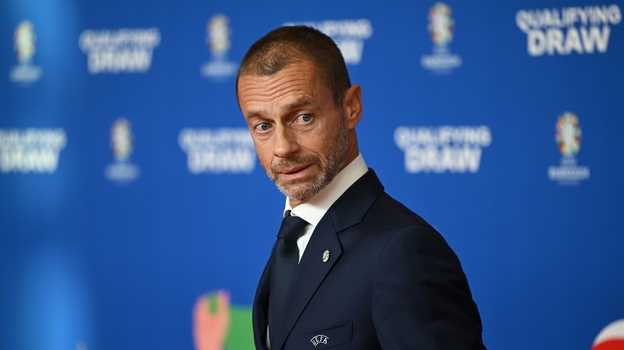
The iconic San Siro stadium in Milan was recently denied the opportunity to host the Champions League Final, a decision that starkly highlighted the critical state of Italian football infrastructure, which has reached an all-time low. This refusal sent ripples of concern across Italy, a nation that prides itself on its football heritage. Yet, for UEFA President Aleksander Ceferin, this outcome came as no surprise.
Ceferin`s critique of Italian stadiums is scathing, stating that Italy possesses “by far the worst infrastructure” among Europe`s leading football nations. Despite a storied history boasting four World Cups, numerous European Championships, and a plethora of Champions League titles, many of Italy`s current football venues are characterized by deteriorating concrete and antiquated amenities. The pressing question now is whether Italian football clubs, government bodies, and private investors can unite to implement a nationwide renovation strategy before more significant hosting chances are lost indefinitely.
UEFA President Labels Italian Stadiums “Worst in Europe” Amid Renovation Push
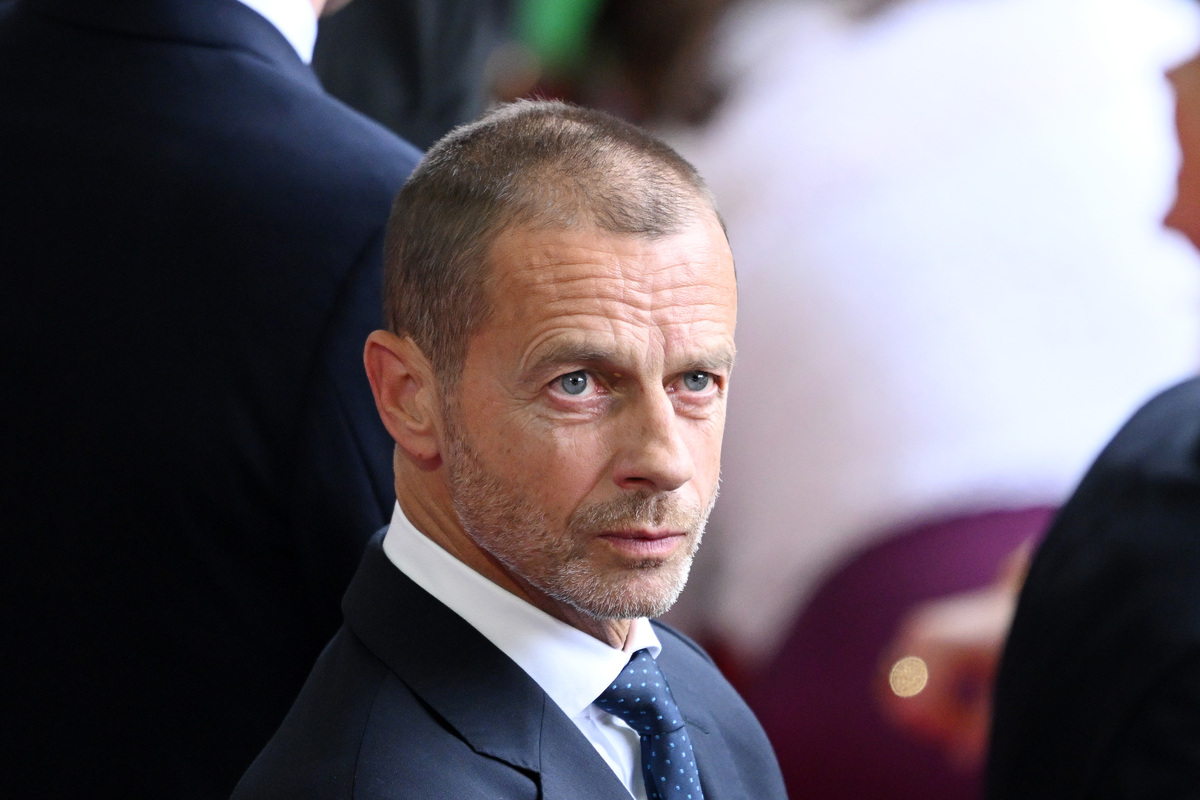
The UEFA President reiterated his strong disapproval of the dilapidated condition of Italy`s football infrastructure. Ceferin`s remarks were unsparing, describing the situation as “terrible” and “a real disgrace.” He emphasized the urgent need for action, given the “very bad” state of affairs, especially with Italy set to co-host UEFA Euro 2032 alongside Turkey.
The stark disparity in quality between Italian stadiums and those in other European countries is highly evident. Ceferin highlighted this by urging observers to “Look at what they’ve built in Spain, England, and Germany,” noting that “Even smaller countries like Albania have made more progress in modernising their football infrastructure.” The financial repercussions of these neglected venues are also significant. Contemporary stadiums generate considerable income through enhanced fan experiences, corporate entertainment, and continuous operation throughout the year.
Despite the challenging outlook, the UEFA President remains hopeful that his candid remarks will finally spur concrete action. He concluded by asserting, “Italy needs to understand this is not just about hosting tournaments. It’s about the future of Italian football itself.”
San Siro`s Decline Reflects Broader National Infrastructure Crisis
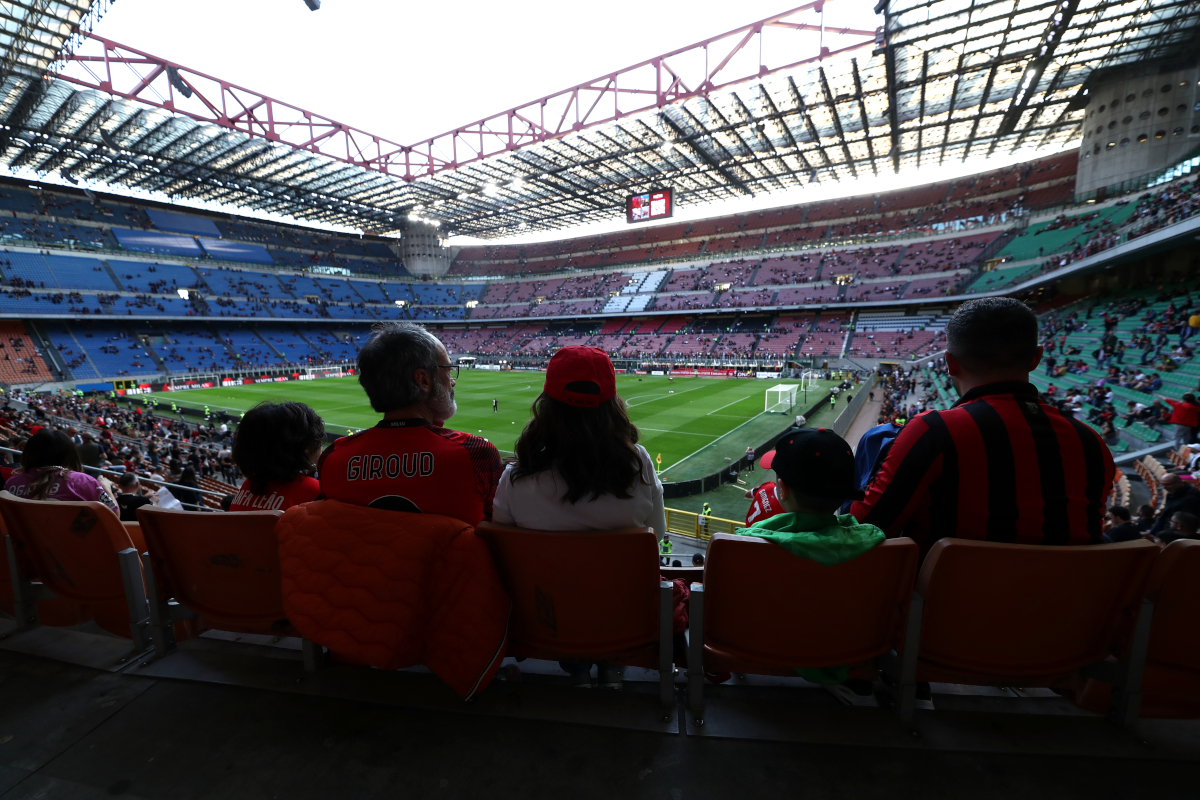
The dilapidated condition of the San Siro stadium is emblematic of deep-seated issues within Italy`s football infrastructure. This decline can be likened to outdated brick-and-mortar casinos with archaic slot machines, a sharp contrast to the sophisticated modern gaming apps available today. This analogy clearly illustrates the extent of the deterioration. Italian stadiums have largely failed to evolve, leading to a significantly diminished fan experience.
With an average age of 60 years, most Serie A stadiums are considerably older than their counterparts in other major European leagues. This age gap has severe financial implications. Italian clubs generate 40% less matchday revenue compared to Premier League teams, primarily because old venues restrict opportunities for premium seating and commercial ventures. This creates a detrimental cycle: clubs cannot raise sufficient funds for upgrades without modern facilities, yet they cannot modernize without increased revenue. As Euro 2032 looms, the state of San Siro serves as a critical warning.
Ceferin Calls for Urgent Collaborative Action from Government and Clubs
UEFA President Aleksander Ceferin has transitioned from merely criticizing to actively advocating for collaborative efforts between Italian authorities and football clubs. He emphasized, “The clubs need help from the government; they need help from municipalities and private investors.” In response to mounting pressure, the Italian government has unveiled plans to appoint a special commissioner tasked with streamlining stadium development projects, collectively valued at €5 billion, by coordinating various agencies.
Ceferin noted, “At the moment, only one [stadium] is ready, the Stadium in Turin.” This assessment starkly contrasts with co-host Turkey, which, according to Ceferin, “has built 13 new stadiums over the last few years.”
Sports Minister Andrea Abodi acknowledged these challenges, stating, “We do not want to intervene directly in territorial matters, but we want to provide simplified tools and procedures.” He issued a stern warning: “UEFA has mandated the commencement of various construction sites by April-May 2027, under penalty of revoking the assignment. Therefore, time is short.”
Italy`s Rich Football Heritage Jeopardized by Outmoded Facilities
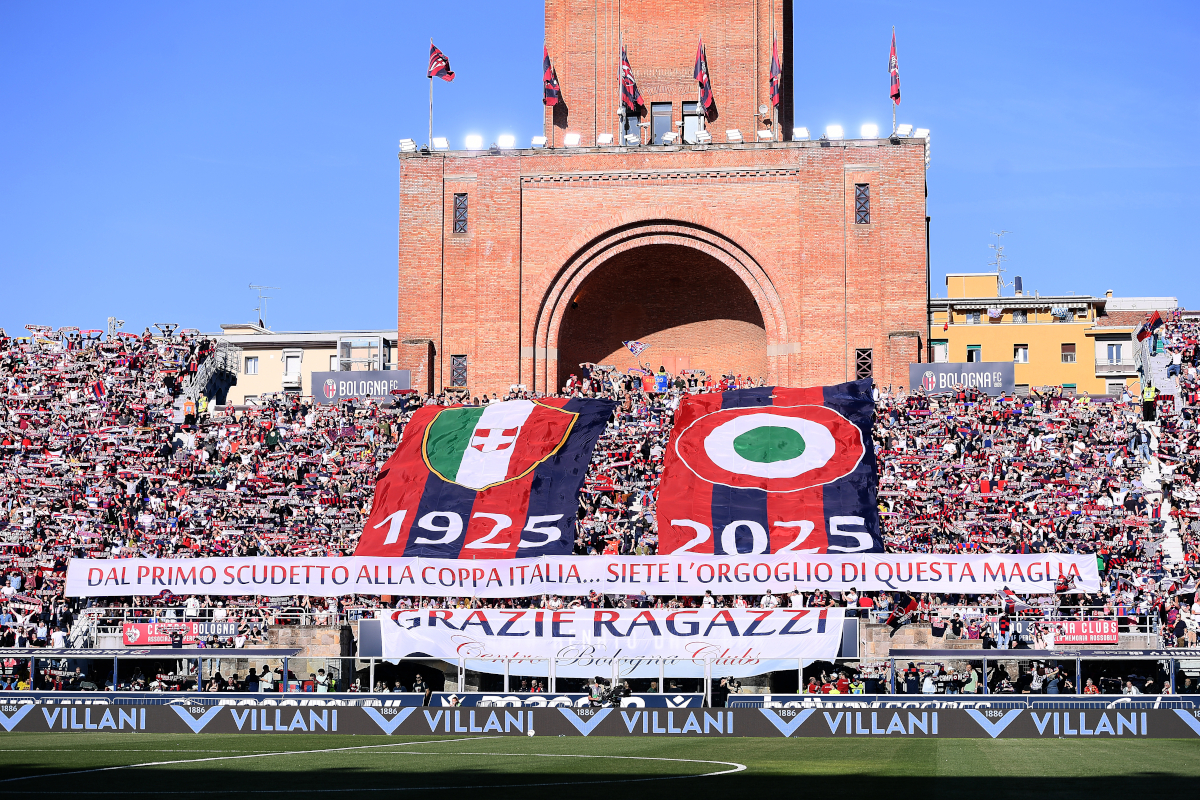
Italy’s esteemed football legacy is currently under significant threat, not due to a shortage of talent or coaching proficiency, but rather from its crumbling stadiums. The disparity between Italy`s footballing accomplishments and the poor standard of its venues is widening continuously. Italian clubs generate a mere €1.2 billion annually from commercial and stadium revenues. In contrast, German clubs earn over twice that amount, despite both nations having comparable economies and fervent fan bases.
Over the past two decades, the infrastructure gap has drastically widened. While English Premier League stadiums undergo substantial renovations approximately every 15 years, Italian Serie A venues have seen no significant improvements for an average of 45 years. This lack of stadium development has created an uneven playing field, potentially relegating Italian football to Europe`s second tier permanently. Clubs in Spain, England, and Germany wisely reinvest their stadium profits into player acquisitions and youth development, a competitive edge Italian clubs find difficult to match.
Conclusion
Italian football finds itself at a pivotal juncture. UEFA President Ceferin`s damning appraisal undeniably exposes a grim reality that can no longer be overlooked: Italy`s football facilities fall far short of those in other leading European nations. The predicament of San Siro perfectly encapsulates this broader issue. Ceferin’s pressing appeal necessitates immediate attention. Progress will require concerted collaboration among clubs, government authorities, and private investors. Italy must seize this criticism as an opportunity to reconstruct not only its aging stadiums but also the fundamental future of its football.